
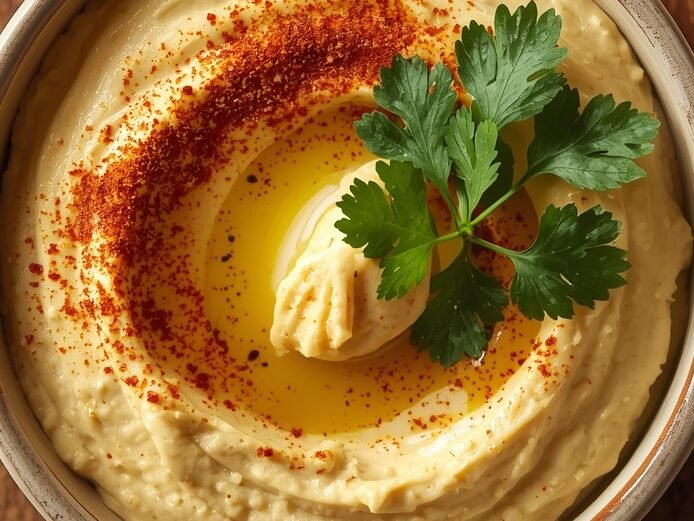
Hummus has become a global sensation — a creamy, healthy, and delicious dip that complements everything from pita bread to roasted veggies. But many people shy away from making it at home, thinking it requires a food processor or specialized kitchen gadgets. The truth is, you can make the best hummus with just a bowl, a fork, and a little patience.
In this comprehensive guide, you’ll learn everything about making hummus from scratch: why homemade always tastes better, exactly which ingredients to use, step-by-step instructions (no fancy equipment needed!), pro tips for ultra-smooth texture, and creative variations to keep your taste buds dancing. Ready to impress your friends, boost your health, and save money? Let’s get started.
Why Homemade Hummus Is Better Than Store-Bought

Ingredient Quality You Can Control
When you buy store-bought hummus, you often get a product filled with preservatives, stabilizers, and sometimes surprising additives. Ingredients like potassium sorbate, sodium benzoate, and emulsifiers extend shelf life but can detract from natural flavors and sometimes cause digestive issues for sensitive individuals.
Homemade hummus is pure and fresh — no mystery preservatives, just simple, wholesome ingredients you can trust. You decide the quality and freshness of every component: from freshly squeezed lemon juice to extra-virgin olive oil, and fresh garlic. This transparency means your hummus will taste brighter, cleaner, and richer — the way hummus was meant to be.
Customize to Your Taste
One of the greatest benefits of homemade hummus is that you control the flavor. Do you love garlic? Add a little extra. Prefer a zestier dip? Boost the lemon juice. Like it smooth or with a little texture? It’s up to you.
Store-bought hummus must cater to a broad market and is usually bland or standardized. Your homemade version can be tailored every single time you make it, experimenting with different spices like cumin or smoked paprika, or mixing in creative add-ins like roasted red pepper or caramelized onions. The power to customize means you can keep your hummus fresh and exciting.
Healthier and Cleaner
Homemade hummus is naturally vegan, gluten-free, and packed with plant-based nutrition. It’s rich in fiber, protein, and healthy fats from olive oil and tahini. Unlike many commercial products that might use cheaper oils (like canola) or extra sodium, homemade hummus lets you keep salt low and fat quality high.
Because you avoid artificial preservatives and additives, homemade hummus supports a cleaner diet, which is beneficial for gut health and long-term wellness. Many dietitians recommend hummus as a heart-healthy snack — and when made at home, you maximize those benefits.
More Affordable in the Long Run
Although it may seem cheaper to buy hummus ready-made, the cost adds up quickly if you eat it often. A store-bought tub usually costs $3-5 per 10 oz serving, whereas making your own can cost less than a dollar per serving when you buy ingredients in bulk.
Ingredients like chickpeas, tahini, and olive oil have multiple uses beyond hummus, making homemade dips a smart and economical kitchen staple. Plus, you get a larger quantity and more servings for your money.
🛒 Ingredients You’ll Need for the Best Hummus
Chickpeas — Canned or Cooked from Scratch
The star of the show, chickpeas, can be used straight from a can or cooked from dry beans soaked overnight. Cooking from scratch takes longer but yields a creamier, fresher flavor.
For extra smooth hummus, try peeling the skins off each chickpea — this step, though time-consuming, results in a silky texture free from grit. To soften chickpeas further, add a pinch of baking soda while cooking — it helps break down the skins and makes mashing easier.

Tahini — The Secret to Creaminess
Tahini is a paste made from ground sesame seeds and gives hummus its rich, nutty flavor and creamy body. The quality of tahini varies widely — look for smooth, runny tahini that isn’t bitter or grainy.
If you want to take control, make your own tahini at home by lightly toasting sesame seeds and blending them with a little neutral oil. This way, you control the freshness and flavor intensity.

Lemon Juice, Garlic & Olive Oil
Fresh lemon juice adds brightness and balances the creaminess of chickpeas and tahini. Fresh garlic is essential for that classic kick — raw garlic adds pungency, roasted garlic mellows and sweetens the dip. Good quality extra virgin olive oil adds richness and depth but be careful not to overpower the other flavors.
Balancing these three is key to making a harmonious, flavorful hummus.

Optional Add-Ins & Toppings
Here’s where creativity shines. Spice up your hummus with:
- Smoked paprika or cumin for warmth and depth
- Sumac or za’atar for Middle Eastern authenticity
- Roasted red peppers or beets for color and flavor
- Fresh herbs like parsley or cilantro for brightness
- Toasted pine nuts or sesame seeds for crunch
🧑🍳 Step-by-Step: How to Make Hummus Without Fancy Equipment
Soften & Mash the Chickpeas
Whether you’re using canned or cooked chickpeas, the first step is to soften and mash them. Use a fork, potato masher, or mortar and pestle to crush the beans. For an ultra-smooth base, peel the skins beforehand.
A little warm water or baking soda added during cooking or soaking makes chickpeas softer and easier to mash, replicating the creamy texture achieved by food processors.
Mix in Tahini, Garlic & Lemon Gradually
Add tahini, minced garlic, and fresh lemon juice slowly into your mashed chickpeas, mixing steadily. Starting with tahini and lemon mixed together first helps aerate and lighten the mixture before the chickpeas join.
This gradual incorporation prevents clumps and allows better emulsification, critical for creamy hummus without machines.
Add Ice Water Slowly for Ultra-Creamy Texture
A professional chef tip: use ice-cold water instead of warm or room temperature water. Add it slowly, a tablespoon at a time, while stirring vigorously. The cold water helps bind fats and liquids, creating a fluffy texture that mimics the results from a food processor.
Adjust Salt, Lemon & Garlic to Taste
Once the base is mixed, taste and tweak seasoning. Add salt in small increments until the flavors balance, then add more lemon or garlic to punch it up.
This tasting stage is crucial since homemade hummus is customizable and your palette is the best guide.
💡 Tips for Ultra-Smooth & Creamy Hummus
Peel the Chickpeas (If You Have Time)
Removing chickpea skins is a game changer for creaminess. It takes extra time, but the smooth mouthfeel is worth it. Gently rub chickpeas in water to loosen skins and discard.
Use Ice Water Instead of Regular Water
Cold water’s ability to emulsify fats and bind solids results in lighter hummus. This small detail can transform your dip from thick and dull to fluffy and bright.
Whip the Tahini Separately First
Before mixing with chickpeas, whisk tahini, lemon juice, and some water until creamy and light. This aerates the tahini, giving your hummus a lighter base texture.
Let It Rest Before Serving
Allow your hummus to sit for 10-15 minutes before serving. Resting melds flavors, softens garlic bite, and allows oils to infuse the dip. For best results, refrigerate covered for 30 minutes if time allows.
🌈 Hummus Variations, Storage & Serving Ideas
Flavor Variations to Try
- Roasted red pepper hummus — smoky and sweet
- Beet hummus — earthy and vibrant pink
- Spicy chili oil hummus — fiery and bold
- Caramelized onion or pesto swirl — savory and herbal
Experimenting with these keeps your hummus fresh and exciting.
Creative Ways to Serve Hummus
- As a dip with fresh veggies, pita chips, or crackers
- Spread on sandwiches and wraps
- Base for grain bowls or salads
- Part of a colorful mezze platter alongside olives, pickles, and grilled veggies
Storage & Shelf Life
Homemade hummus lasts 3–5 days in the fridge in an airtight container. Press plastic wrap onto the surface to prevent air exposure and oil separation.
You can freeze hummus up to 3 months; thaw slowly and stir to restore texture. Avoid refreezing.
Make It Party-Ready or Meal-Prep Friendly
For entertaining, serve hummus in small bowls with various toppings and dips for guests to mix and match.
For meal prep, portion hummus into single-serving containers for grab-and-go snacks or lunches.
Conclusion: Your Journey to Hummus Mastery Starts Now!
Making the best hummus at home is easier than you think — no fancy equipment required, just fresh ingredients, simple techniques, and a little love. From choosing quality chickpeas and tahini to mastering the art of emulsification with ice water, you now have everything needed to create creamy, healthy, and customizable hummus that will outperform any store-bought brand.
Whether you keep it classic or try bold variations, homemade hummus is a crowd-pleaser, a wallet-saver, and a nutritious powerhouse.
Ready to make your own batch? Share your favorite flavor combos or photos in the comments! Don’t forget to pin this guide to your Pinterest board and share it with your Facebook friends — great homemade hummus deserves to be enjoyed by everyone.