
Ever skipped breakfast because you’re running late? You’re not alone.
Mornings are often chaotic—getting the kids ready, preparing for meetings, or simply trying to get out the door on time. But skipping breakfast can impact your energy levels, focus, and metabolism for the rest of the day. Research shows that a nutritious morning meal helps improve cognitive function, supports healthy weight management, and even boosts your mood.
But here’s the good news: eating healthy doesn’t mean spending an hour in the kitchen. This guide is packed with quick, nutritious, make-ahead breakfast recipes and tips tailored for real-life, fast-paced mornings.
Whether you’re meal prepping on Sunday or grabbing something quick on the way to work, these healthy breakfast ideas are your new best friend. From high-protein recipes to grab-and-go options, you’ll find ideas here that fuel your day—without slowing it down.
Quick & Nutritious Breakfast Recipes for Busy Mornings
High-Protein Breakfasts to Keep You Full
Protein is the foundation of a balanced breakfast—it helps keep you full, prevents energy crashes, and supports muscle health.
📌 Why it matters: A 2022 study from the American Journal of Clinical Nutrition shows that people who eat at least 25g of protein at breakfast feel fuller and consume fewer calories throughout the day.
Here are three delicious high-protein breakfast options:
- Veggie Egg Muffins
Whisk eggs with chopped vegetables (spinach, tomatoes, bell peppers) and bake in muffin tins. Store in the fridge for a full week of portable breakfasts. - Greek Yogurt Parfait
Layer plain Greek yogurt with berries, chia seeds, and a sprinkle of homemade granola. Packed with protein, fiber, and antioxidants. - Green Protein Smoothie
Blend spinach, banana, almond milk, and a scoop of vanilla protein powder. Add nut butter or chia seeds for extra healthy fats.
Pro tip: Use silicone muffin trays for easy clean-up and perfect portions.

Grab-and-Go Options for Ultimate Convenience
No time to sit down? These grab-and-go breakfasts are ideal for commutes, busy parents, or anyone with back-to-back mornings.
- Overnight Oats
Soak oats with milk or plant-based alternatives, chia seeds, and fruit overnight in mason jars. Add nut butter for added flavor and healthy fats. - Homemade Energy Bars
Combine oats, dates, almond butter, and seeds into no-bake bars. Refrigerate and cut into snack-sized pieces. - Fruit & Nut Packs
Mix dried fruit (no added sugar) with raw nuts for a nutrient-dense snack that fits in your bag or desk drawer.
Pinterest-worthy idea: Pre-portion 5 overnight oat jars on Sunday with different toppings like blueberries, apples & cinnamon, or cacao nibs.

Low-Sugar Recipes That Fuel Without the Crash
Start your day with stable energy by avoiding refined sugars and choosing nutrient-dense alternatives.
- Chia Pudding
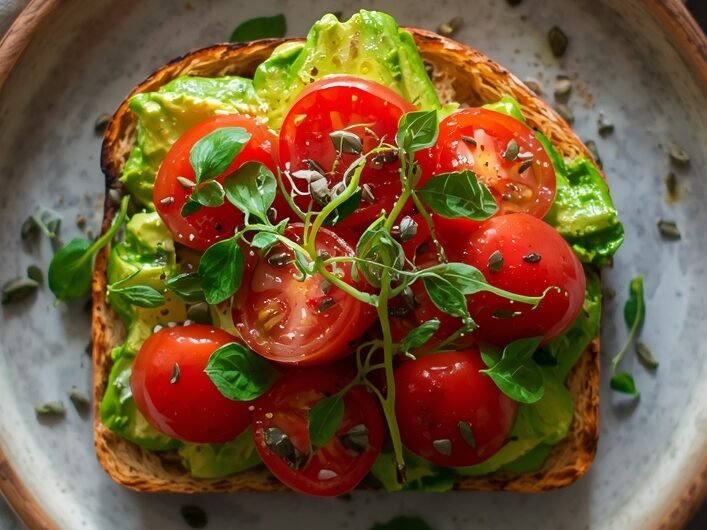
Mix chia seeds with unsweetened almond milk and a dash of vanilla extract. Let sit overnight. Top with berries in the morning. - Avocado Toast
Smash avocado on whole-grain toast, and add toppings like sliced tomatoes, hemp seeds, or poached eggs. - Whole-Grain Breakfast Wraps
Fill a whole wheat tortilla with scrambled eggs, greens, and a sprinkle of feta cheese. Wrap it up and take it on the go.
Avoid: Flavored yogurts and sugary cereals, which often contain over 15g of added sugar per serving.

Recipes Using Pantry Staples for Easy Prep
You don’t need a fancy kitchen or weekly grocery runs to make healthy breakfasts.
- Classic Oatmeal Bowl
Cook quick oats and add cinnamon, frozen berries, and nut butter. Keeps you full for hours. - Nut Butter Toast
Whole grain toast topped with peanut or almond butter and banana slices makes a satisfying, fiber-rich meal. - Homemade Granola
Combine oats, coconut oil, maple syrup, and nuts. Bake until golden. Store in an airtight container for up to two weeks.
Budget tip: Buy oats, seeds, and nut butters in bulk to save money and reduce packaging waste.
Meal Prep Strategies to Save Time and Stay Healthy
Batch Cooking Breakfasts for the Week
Meal prepping isn’t just for dinner. Breakfast is often the easiest place to start!
- Make egg muffins in bulk and store in the fridge for 4–5 days.
- Bake sheet-pan oatmeal with apples or blueberries, then slice into squares.
- Freeze breakfast burritos made with eggs, beans, and veggies. Wrap individually and reheat in the microwave.
Time-saving tip: Set aside just 90 minutes each weekend to prep all your weekday breakfasts. You’ll save hours and reduce stress.

Storing and Reheating Tips for Freshness
To maintain flavor and texture:
- Store meals in glass containers or BPA-free plastic.
- Keep smoothies or puddings in mason jars with airtight lids.
- Avoid reheating eggs for more than 1 minute to prevent rubbery textures.
Bonus: Label each meal with the prep date to ensure freshness and easy rotation.
Using Freezer-Friendly Ingredients and Containers
Not all ingredients freeze well, but many do if prepped right:
- Freeze in portions: Pre-slice baked oatmeal or burritos before freezing.
- Use silicone molds for smoothie packs or yogurt cubes.
- Avoid freezing high-water veggies like cucumbers or tomatoes raw—they’ll get soggy.
Planning Your Weekly Breakfast Menu
Organization is your best friend here. Use a simple calendar:
- Monday/Wednesday – Smoothies
- Tuesday/Thursday – Overnight oats or egg muffins
- Friday – Avocado toast or granola bowl
Create a weekly grocery list of staple ingredients:
- Oats, eggs, almond milk, fruits, nut butters, greens, seeds
Visual trick: Print and pin your weekly breakfast plan to your fridge—it builds habits and cuts decision fatigue.
Nutritional Benefits of Healthy Breakfast Choices
Importance of Protein for Sustained Energy
Protein at breakfast slows digestion and gives your brain the fuel it needs. It also:
- Reduces cravings later in the day
- Helps build and repair tissues
- Supports hormone production
Best protein sources: Eggs, Greek yogurt, tofu, nuts, seeds, protein powders
Role of Fiber in Digestive Health
Fiber does more than keep things moving. It also:
- Promotes fullness
- Stabilizes blood sugar
- Supports gut microbiota
Great fiber sources: Oats, chia seeds, fruits, veggies, flaxseeds, whole grains
Quick fiber fix: Add 1–2 tablespoons of chia seeds to smoothies or oats for 10g of fiber.
Healthy Fats for Brain and Heart Support
Don’t fear fats—especially the healthy ones! They support brain function and reduce inflammation.
- Avocados – Rich in monounsaturated fats
- Nuts/seeds – Provide omega-3s
- Nut butters – Healthy, satiating, and easy to spread
Fun fact: Your brain is nearly 60% fat—feed it the good kind.
Vitamins and Minerals Essential for Morning Vitality
Start your day with a dose of essential nutrients:
- B vitamins – For energy metabolism
- Vitamin D – Supports immunity and mood
- Iron – Prevents fatigue
- Magnesium – Reduces stress and supports muscle function
Pro tip: Add spinach to your smoothie or scrambled eggs for a natural boost in iron and folate.
Tips for Making Healthy Breakfasts on the Go
Quick Preparation Techniques
Use these tools to make things easier:
- Blenders – For smoothies and sauces
- Instant Pot – Make steel-cut oats in 4 minutes
- No-cook recipes – Think chia pudding, overnight oats, or yogurt bowls
Speed hack: Pre-chop fruits and greens and store them in airtight containers for the week.
Packing Breakfast for Work or School
Make transport a breeze:
- Use mason jars with screw lids
- Invest in insulated lunch bags
- Bring reusable utensils to avoid waste
- Separate sauces/toppings to maintain texture
FAQs About Healthy Breakfasts for Busy Mornings
These are some of the most frequently asked questions people have when trying to balance health, time, and convenience during busy mornings. We’ve answered them with practical, beginner-friendly advice to help you build habits that last.
What Are the Best Quick Breakfast Options?
The best breakfasts are the ones you’ll actually make — and enjoy. Quick doesn’t have to mean boring or unhealthy. Here are some fast, healthy breakfast ideas that take 10 minutes or less:
- Overnight oats: Prep the night before in mason jars and grab them on the go.
- Smoothies: Blend frozen fruit, spinach, almond milk, and protein powder for a nutritious, sip-able breakfast.
- Egg muffins: Make a batch on Sunday and store in the fridge for the week.
- Greek yogurt parfaits: Layer yogurt, berries, and granola in a cup or jar — no cooking needed!
🕒 Time-saving tip: Set up a “breakfast zone” in your kitchen with ready-to-grab ingredients or pre-packed jars to shave off extra minutes each morning.
How Can I Prep Healthy Breakfasts Ahead of Time?
Meal prepping can transform your mornings from chaotic to calm. Here’s how to prep your breakfasts in advance:
- Batch cook recipes like egg muffins, baked oatmeal, or breakfast burritos.
- Assemble no-cook options like chia puddings and overnight oats in single-serving containers.
- Pre-portion smoothie ingredients into freezer bags so you can just blend and go.
- Create a weekly menu to stay organized and reduce decision fatigue.
🔁 Make-ahead magic: Most breakfasts will keep for 4–5 days in the fridge and up to 2 months in the freezer when properly stored.
Are These Recipes Suitable for Special Diets?
Yes! With a few simple swaps, these recipes can be adapted for a variety of dietary needs:
- Vegan: Replace eggs with tofu or chickpea flour, and use non-dairy milk/yogurt alternatives like almond, coconut, or oat.
- Gluten-free: Use certified gluten-free oats, wraps, or breads. Skip anything with wheat-based flour unless it’s labeled GF.
- Dairy-free: Choose plant-based yogurt and milk options. Many recipes are already dairy-free or can be adjusted easily.
- Low-carb/keto: Opt for egg-based or avocado-heavy recipes, and avoid grains or sweeteners.
✅ Pro tip: Always check ingredient labels for allergens or cross-contamination warnings if you’re managing a strict dietary restriction.
How to Avoid Common Mistakes Like Skipping Breakfast or Eating Junk?
Avoiding unhealthy breakfast habits is easier when you’re prepared. Here’s how:
- Set a routine: Wake up at the same time daily and make breakfast part of your schedule.
- Prep ahead: Have meals or ingredients ready so you’re not tempted by sugary, processed convenience foods.
- Keep healthy staples on hand: Stock oats, eggs, frozen fruit, nut butter, whole grains, and plant-based milk.
- Don’t fall for marketing: Many “breakfast bars” and cereals are high in added sugar and low in nutrients. Read labels carefully.
- Limit caffeine on an empty stomach: It can spike cortisol and leave you feeling jittery. Eat something first!
🥣 Mindful mornings lead to better choices all day. Think of breakfast as an investment in your energy, focus, and health — not just another task.