
Do you feel overwhelmed by daily mealtime decisions?
What if you could walk into your kitchen on Monday and know—no more scrambling, no decision fatigue—for the entire week ahead?
That’s what one‑week easy meal prep can do for you. In this post, you’ll get a full weekly menu + simple recipes designed especially for beginners, so that by the end of your prep session you’ll have a ready-to-go plan that saves you time, stress, and money.
This is not about fancy cooking or perfect plating. It’s about smart, doable, sustainable meals you’ll actually enjoy. Whether you’re new to meal prep or just want to simplify your week, this guide will help you:
- Plan a balanced, flexible menu
- Shop and prep efficiently
- Store and reheat safely
- Overcome common roadblocks
Throughout, I’ll share practical tips, science-based insight, and personal tricks that turned my weekly cooking routine from chaos into calm. Let’s jump in.

How to Plan a One‑Week Easy Meal Prep Menu
Determine your meals & servings per day (breakfast, lunch, dinner, snacks)
- Start by choosing which meals you want to prep: is it just lunch and dinner, or also breakfast and snacks? Focusing on the big meals first helps reduce overwhelm.
- Estimate serving sizes based on your goals. For example, a 3 oz (85 g) protein portion, ½ – 1 cup grains, and 1–2 cups of vegetables per meal is a common baseline. Adjust up or down depending on whether you’re aiming for maintenance, weight‑loss, or muscle gain.
- Create a weekly meal grid (e.g. a 7×3 table for three meals a day). This visual helps you spot repetition or gaps (e.g. too many heavy dinners, no fiber).
- Include snacks or mini‑meals if needed: think Greek yogurt + fruit, veggie sticks + hummus, or nuts. These help smooth energy dips mid-afternoon.
Balance nutrition: proteins, carbs, healthy fats, vegetables
- Use the “plate method”: ~½ the plate vegetables, ~¼ protein, ~¼ whole grains or starchy carbs. This simple approach helps with nutrient balance without needing to micromanage macros.
- Rotate protein sources (chicken, fish, beans, tofu) and carb sources (brown rice, quinoa, sweet potatoes, whole grain pasta). This variety improves nutrient diversity and keeps things interesting.
- Don’t skip healthy fats—avocado, olive oil, nuts, seeds help with satiety, flavor, and even nutrient absorption (e.g. fat‑soluble vitamins).
- Include fiber and micronutrient diversity by mixing colors in vegetables and sprinkling in legumes, dark greens, berries, or nuts. Fiber helps fullness and gut health.
Choose interchangeable recipes (so ingredients overlap)
- Select recipes that share key ingredients, so you can buy in bulk and reduce waste (e.g. roasted veggies that serve as sides or go into wraps).
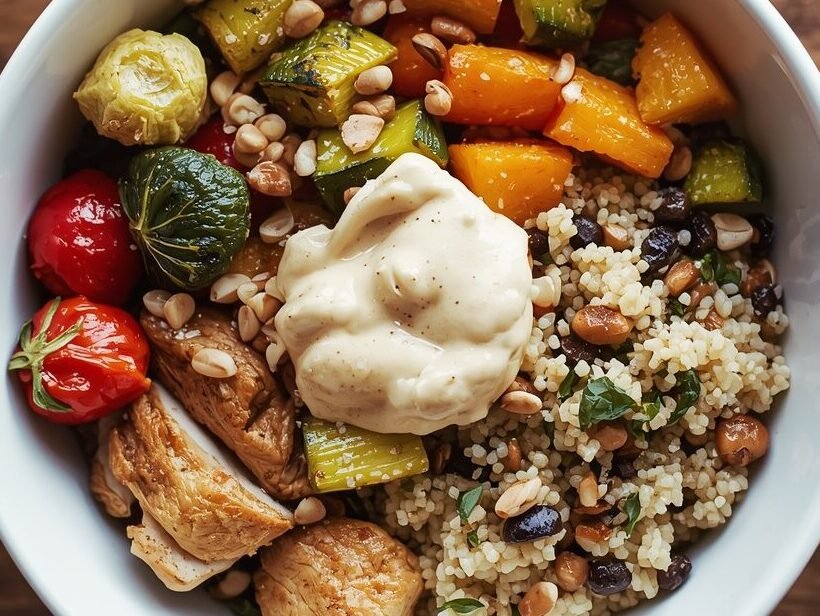
- Use base components—cooked chicken, rice, beans—that can be mixed differently across the week (bowls, wraps, salads).
- Plan modular meals: e.g. “protein + grain + vegetable” building blocks that can be recombined to make variety.
- This flexibility allows adjustments on the fly depending on your appetite or leftover amounts.
Build in variety + theme nights (Mexican, Italian, Meatless Monday)
- Assign theme nights (e.g. Taco Tuesday, Pasta Night, Veggie Night) to guide flavor profiles. Themes reduce decision fatigue.
- Use different seasonings, sauces, or dressings (basil pesto one night, curry sauce another) to maintain variety without totally new ingredients.
- Alternate light and hearty meals so your week doesn’t feel heavy—e.g. fish + greens one night, a warm stew another.
- Add a “wildcard” or free choice night so you don’t feel overly restricted, making the system sustainable long term.
Shopping & Preparation Strategy
Create a categorized grocery list (produce, proteins, pantry)
- Divide your shopping list into categories: produce/vegetables, proteins, grains, dairy or alternatives, herbs/spices, sauces/condiments. This improves efficiency in-store.
- Tally the total quantities needed across the week (e.g. 4 lbs chicken, 2 lbs spinach) so you don’t overbuy or underbuy.
- Include staple items & backups (olive oil, salt, spices, canned beans) so emergencies don’t derail your plan.
- Leave room for flex items like seasonal fruit or snack options for midweek.
Check your kitchen inventory to avoid duplicates
- Before shopping, do a pantry/fridge/freezer audit: list what you already have (rice, spices, sauces, beans). This avoids duplicates and reduces waste.
- Use up existing items in your weekly menu—e.g. if you already have cooked beans, design one dish around them instead of buying new protein.
- Cross off these items from your shopping list. This saves money and space.
Prep basics first (wash/peel veggies, cook grains, portion proteins)
- As soon as groceries are home, wash, peel, and chop vegetables. Store them in airtight containers so they’re ready to use.
- Cook grains (rice, quinoa, farro) in large batches—these can be used across multiple meals.
- Portion your proteins or marinate meats so they’re ready to roast or grill.
- Pre-portion snacks (nuts, fruit, cut vegetables) into small containers or bags for grab-and-go convenience.
Use time-saving tools (food processor, Instant Pot, sheet pans)
- A multi-function cooker like an Instant Pot or pressure cooker speeds up beans, stews, grains.
- Use sheet pan cooking (protein + veggies on one pan) to reduce active cooking time and energy usage.
- A food processor or chopper can quickly mince veggies, make sauces or salad dressings.
- Employ multi-tasking: while one dish bakes, prep another on the stove or assemble a cold meal so no time is wasted.
Day-by-Day Meal Prep Menu + Recipes (7 Days)
Days 1 & 2: taste-tested favorites (e.g. grilled chicken bowls)
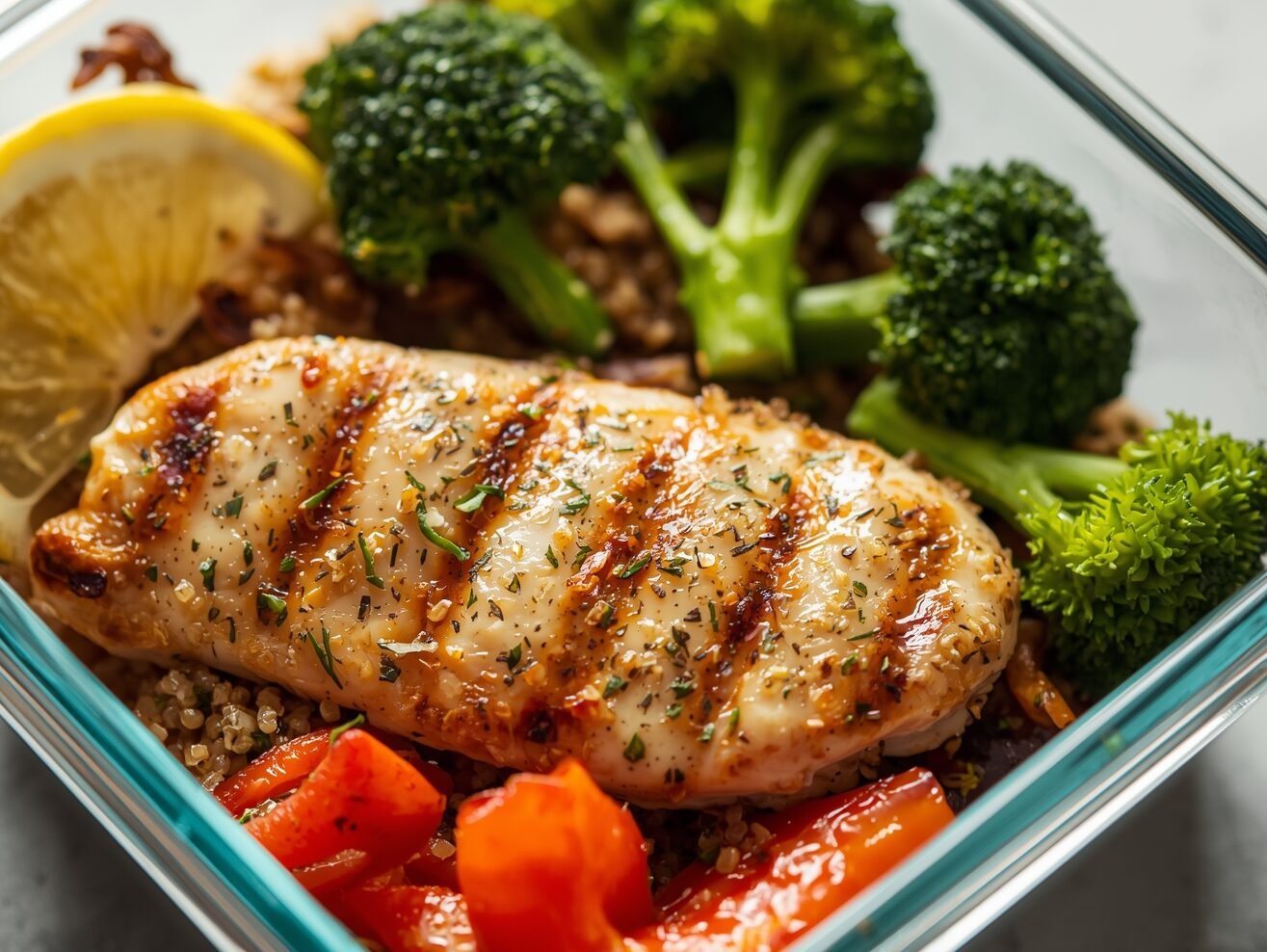
- Day 1: Grilled chicken breast + roasted vegetables + quinoa bowl drizzled with lemon-herb vinaigrette
- Day 2: Use leftover chicken over greens + veggies (turn it into a salad or wrap)
- These early days set your flavor baseline and help you gauge portion sizes.
Days 3 & 4: salads, bowls, or wraps using prepped ingredients
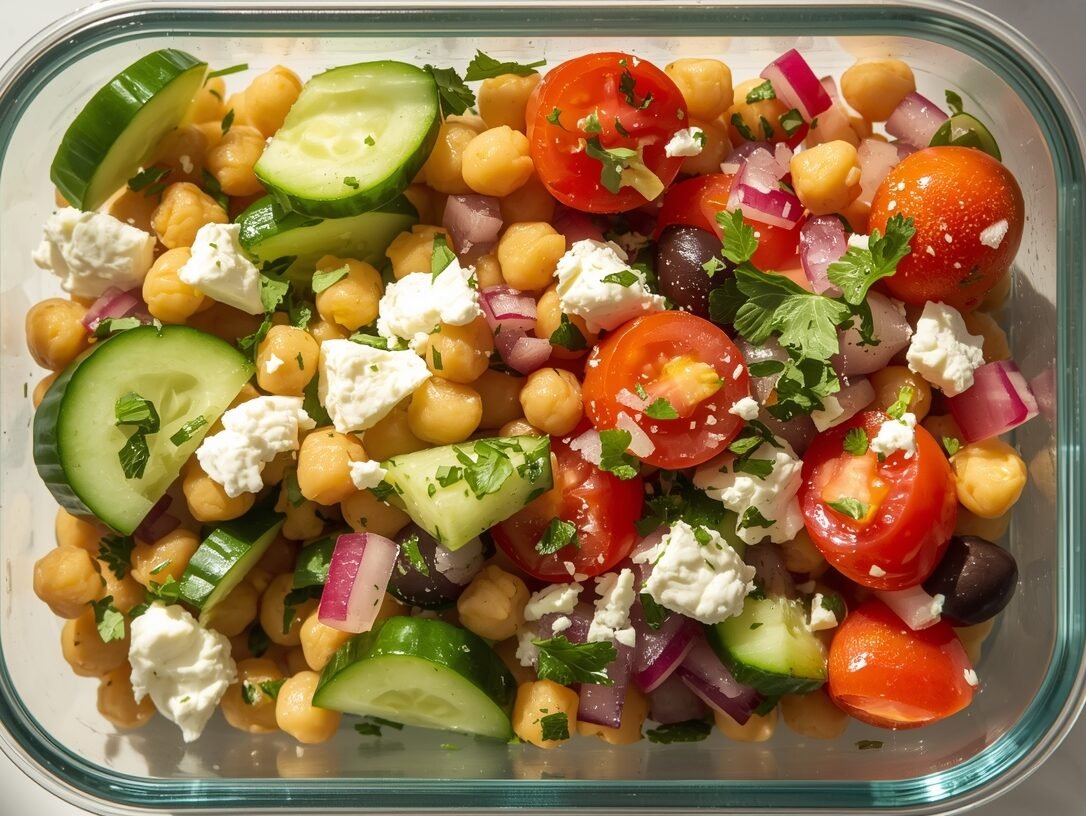
- Day 3: Mediterranean chickpea salad with cucumber, tomato, feta, and olive oil
- Day 4: Veggie + protein wrap (use leftover roasted veggies + protein + fresh greens + sauce)
- Because much of the ingredient work was done ahead, these meals are quick and light.
Days 5 & 6: warm, comforting dishes or remix leftovers
- Day 5: Stir-fry or sheet-pan dinner combining leftover proteins & vegetables
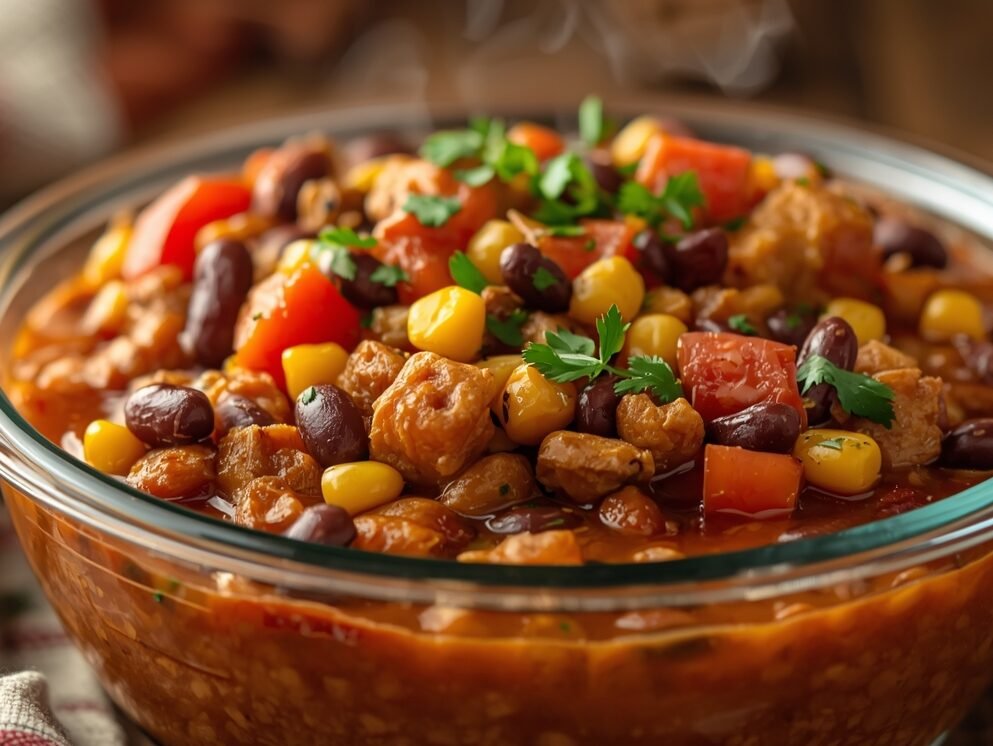
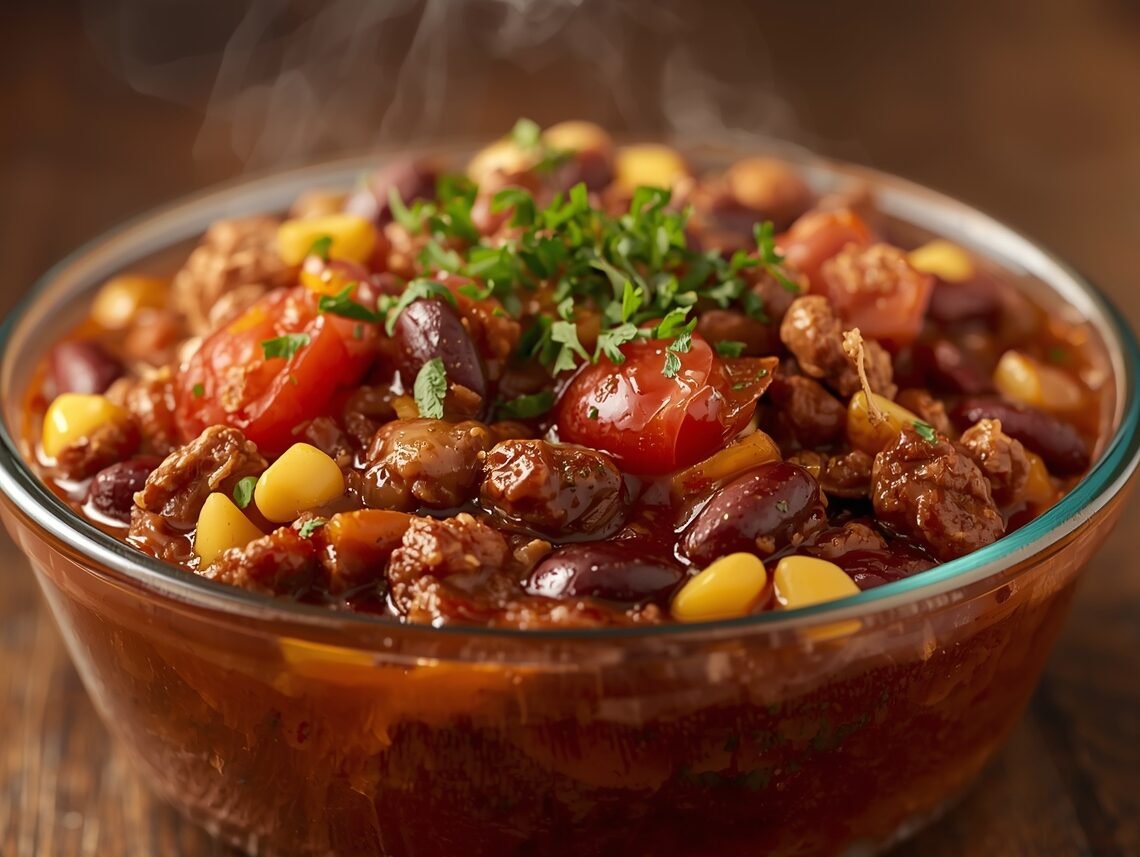
- Day 6: Soup, chili, or casserole (using leftovers + fresh additions)
- These options stretch your prep and help reduce waste by remixing components.
Day 7: flexible “use‑up” / leftover / free night
- Use this day to clean up your fridge—turn bits and pieces into a bowl, frittata, or grain salad.
- Or enjoy a free night to eat out or experiment.
- Ask readers to rate the dishes (which they loved, which they’d skip) for next week’s tweaks.
Storage, Packaging & Reheating Tips
Best containers (glass, BPA-free plastics, airtight lids)
- Glass containers (e.g. Borosilicate or Pyrex) are durable, microwave-safe, and don’t stain or retain odors.
- BPA-free plastic containers can be lighter and easier to carry—just ensure they’re rated for microwave/freezer use.
- Prioritize containers with airtight, leakproof lids, especially for saucy meals or travel.
Safe refrigeration timelines (which meals last how many days)
- Most safely prepped meals last 3–4 days in the fridge under proper storage.
- Use date labels (e.g. “Prep: 05/12”) so you eat in the correct order.
- Some ingredients (e.g. fresh greens, herbs) are best added fresh when serving to maintain texture.
Freezer-friendly options (which recipes freeze & thaw well)
- Soups, stews, cooked beans, casseroles, and cooked grains tend to freeze well.
- Avoid freezing meals with high-water veggies (lettuce, cucumber) or creamy dressings; add those fresh when reheating.
- Use freezer-safe containers or bags, leaving headspace for expansion and double-bag if desired.
Reheating hacks (microwave, oven, stovetop) to maintain texture
- Microwave: use short bursts (30–60 seconds), stir, then additional bursts until heated through.
- Oven/toaster: 350°F (175°C) for 10–15 minutes. Cover with foil to prevent drying, then broil briefly for crisping.
- Stovetop: heat in a covered pan with a splash of water or stock to rehydrate, finishing uncovered to crisp edges.
- Tip: revive crispiness by finishing in a skillet or under the broiler for 1–2 minutes.
Common Questions, Troubleshooting & Hacks
What to do if you skip a prep day / fall behind?
- If you miss a prep day, prioritize essentials: cook just your protein or grain for upcoming days, and simplify sides (steamed veggies, microwaveable greens).
- Use semi-prepared items (pre-washed greens, canned beans) as short-term shortcuts without derailing your weekly plan.
- Mid-week, you can carve a “mini prep reset”—spend 20–30 minutes roasting extra veggies or proteins to boost through the rest of the week.
How to keep meals from tasting boring midweek?
- Switch up dressings, sauces, herbs, or garnishes—same ingredients can feel new with a flavor twist.
- Add texture contrast (nuts, seeds, fresh herbs, crunchy toppings) just before serving.
- Make a leftover remix meal (e.g. turning roasted veggies into a fried rice bowl or wrap) to avoid monotony.
- Encourage rotating warm vs cold meals (e.g. one warm dinner, next a cold bowl) for variation.
Substitutions for dietary restrictions (vegetarian, low-carb, gluten-free)
- Vegetarian / plant-based: replace meat with beans, lentils, tofu, tempeh, or plant-based meat substitutes.
- Low-carb / keto: reduce or omit grains; focus on low-carb vegetables, more fats (avocado, olive oil), and proteins.
- Gluten-free: use gluten-free grains (quinoa, rice, gluten-free pasta), gluten-free wraps, and check sauces/condiments for hidden gluten.
- Offer mix‑and‑match swaps so readers can personalize based on their diet.
How to adjust portion sizes or scale the menu
- Cooking for one? Halve the recipes or freeze extra portions for later in the week.
- For larger households, double or triple recipes; maintain seasoning ratios.
- Use a food scale or measuring tools to maintain consistency, especially if tracking calories or macros.
- Encourage readers to track leftovers or shortages and adjust next week’s plan accordingly.