
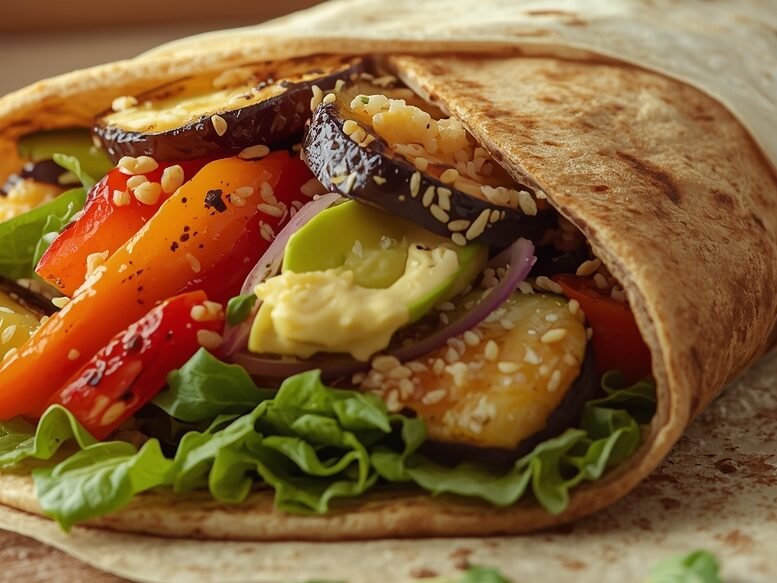
Tired of cooking from scratch every single day — or eating the same meal on repeat? What if one simple base recipe could turn into multiple delicious dishes throughout the week, each with its own unique flavor and style? That’s the magic of recipe remixing — a smart, flexible cooking strategy that transforms one foundational dish into a variety of meals using simple tweaks, swaps, and creative flair. Whether you’re working with roast chicken, lentil stew, rice bowls, or pasta, remixing gives you the power to create new meals without reinventing the wheel (or washing a hundred pots).
In this guide, you’ll discover how to choose the perfect base recipe, remix it into multiple crave-worthy variations, and save time, money, and kitchen energy — all while keeping your meals exciting and diverse. Whether you’re a busy parent, solo cook, or budget-conscious foodie, these recipe remixing techniques will help you cook smarter, reduce waste, and bring out your inner chef. Let’s dive into the first step: understanding the genius behind a good base recipe.
🔶What Is Recipe Remixing (And Why It’s Genius?)
Understanding the Concept of a Base Recipe
Define what a base recipe is
A base recipe is a foundational dish—think of it as your “anchor plate” or “template” dish. It’s simple, adaptable, well‑balanced, and somewhat neutral in flavor so that deviations are easier. Examples include a plain roasted chicken, a basic tomato sauce, a grain bowl (rice/quinoa + vegetables), a simple stew, or a pot of cooked legumes.
By starting with something dependable and modest, you leave room for remixing flavors, textures, and accompaniments without risking disaster.
Examples of base recipes from different cuisines
- Roast chicken (or oven-roasted whole bird or thighs) — used globally as a protein base
- Tomato‑garlic pasta sauce — a minimal sauce that can pivot toward Italian, Mediterranean, or spicy fusion
- Lentil stew or bean chili — comfortable base for various ethnic spins
- Stir-fried rice with vegetables — neutral enough to adapt into Asian, Latin, or Mediterranean styles
Ideal base recipes to start with
- Choose something modest in seasoning (not too spicy or flavored)
- Ingredients that are staples (proteins, grains, legumes, vegetables)
- Recipes that scale easily (double, triple)
- Recipes that store well (can be kept a few days or portioned)
These base recipes let you pivot—adding or subtracting flavors, swapping ingredients, or changing the style of cuisine.
The Benefits of Recipe Remixing
Saves time and money
When you cook one base recipe and remix it across multiple meals, you reduce prep time, grocery trips, and redundant cooking. It’s economies of scale in the kitchen. Many meal planning guides estimate that cooking in batches (or remixing) can reduce food costs by 30%–50% compared to ordering in or making entirely new meals each time. BargainBoxed.com+2U.S. News Money+2
Reduces food waste
Remixing encourages you to use every ingredient fully—no leftover vegetables, sauces, or herbs going to waste. Some ingredients that might otherwise spoil get integrated into new versions of meals. Swapping and reusing ingredients is one key perk. foodalltime.com+1
Great for busy families, meal planners, and solo cooks
- For busy families: allows variation without overburdening the cook
- For meal planners: gives flexibility—remixes can respond to what’s in the fridge
- For solo cooks: prevents boredom (“eating the same thing day after day”) but avoids waste or overeating
By leaning into remixing, instead of relying on strict repetition, you get diversity with less work.
How It’s Different From Meal Prepping
Less repetitive than batch cooking
Batch cooking often leads to eating the same dish multiple times (e.g. “chicken + rice, chicken + rice, chicken + rice”). Remixing allows you to transform that batch into distinct dishes—ensuring variety.
More flexible than freezer meals
Freezer meals are great, but once frozen, your options are somewhat fixed. Recipe remixing happens before freezing (or without freezing), giving you room to adapt flavors, dressings, and accompaniments right before serving.
Encourages creativity in the kitchen
You’re not just reheating—you’re transforming. You learn to think about flavor profiles, ingredient swaps, and shifts in cuisine style. This keeps cooking fun instead of monotonous, turning your kitchen into a mini experiment zone rather than a chore station.
SEO Tip — Link to Related Content
To support SEO and keep readers on your site longer (which signals engagement to Google), include internal links to your existing content. For example:
Check out our “10 Lazy Leftover Recipes That Don’t Feel Like Leftovers” for more ideas on using what’s already cooked in surprising new ways.
You can also link to posts like “Top Pantry Staples,” “Easy Ingredient Swaps,” or “Best One-Pot Meals.”
These internal links help spread page authority, encourage deeper reading, and improve your site’s SEO footprint.
🔶How To Choose the Perfect Base Recipe
Key Qualities of a Good Base Recipe
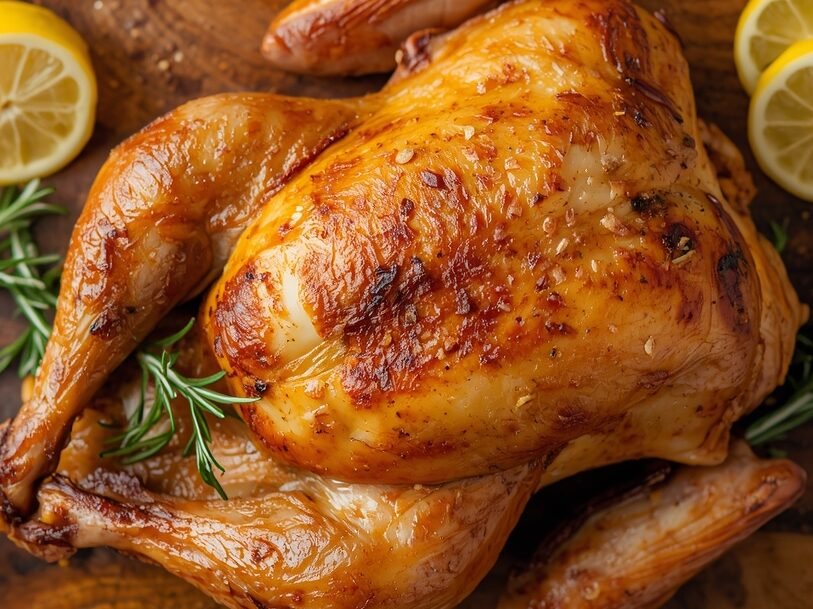
- Neutral flavor profile — not overly spiced or strongly flavored. You want “canvas” recipes that accept variation (e.g. unseasoned grilled chicken, plain stewed beans).
- Simple ingredients — the fewer specialized or exotic ingredients, the easier it is to remix. Use staples many cooks already have (grains, beans, basic vegetables, proteins).
- Easy to scale or modify — you should be able to double, triple, or reduce quantities without breaking the recipe. Also, parts of the recipe should be modular.
These qualities make a recipe more “remixable” and lower risk when you start experimenting.
Examples of Base Recipes
Here are practical base recipe ideas you can use and remix:
- Roast chicken — classic and versatile
- Rice + veggies stir-fry — a blank canvas you can shift to different flavor directions
- Pasta with basic tomato sauce — you can turn it Italian, spicy, or fusion
- Lentil stew — hearty, nutritious, and receptive to remixing
These examples are familiar, easy to execute, and lend themselves to multiple cuisines.
Mistakes to Avoid When Picking a Base Recipe
- Too many spices from the start — overly flavored recipes leave little room for remixing
- One-time-use ingredients — ingredients unique to one dish (e.g. obscure cheeses, rare sauces) can limit swaps
- Complex prep steps — avoid base recipes that require complex techniques or lots of steps, because remixing adds complexity already
By avoiding these pitfalls, you preserve flexibility and ease.
Related Semantic Anchor: “base recipe ideas”
To help with long-tail SEO, sprinkle this phrase (or variant) naturally. For example:
“If you’re searching for base recipe ideas, keep them simple and adaptable. A plain roast chicken, basic tomato sauce, or grain + vegetables serve as excellent base recipe ideas you can remix further.”
This gives you semantic depth without keyword stuffing.
🔶5 Creative Ways To Transform One Recipe Into Multiple Dishes
Flavor Profile Remix
Swap herbs, sauces, or seasoning to shift the flavor direction.
- Example: A simple garlic & herb chicken can become Thai chili chicken (swap in lime, cilantro, chili) or BBQ pulled chicken (use BBQ sauce, smoky spices).
- Use related keywords / LSI: ingredient swaps, herb variations, seasoning hacks
- Tip: Keep a flavor swap cheat‑sheet (e.g. basil → cilantro, soy sauce → tamari, lemon juice → vinegar) to help you remix faster.
Change the Cooking Method
Using the same ingredients but changing the method can produce a whole new dish.
- Example: Steamed vegetables → roasted vegetable salad → stir-fried side dish
- Or: Boiled or poached protein turned into grilled or sautéed strips
- This approach brings variety in texture, caramelization, and flavor reactions.
Add or Swap Ingredients
By introducing (or swapping) a protein, starch, or veggie, you can steer the dish in a new direction.
- Example: Lentil soup becomes curry by adding coconut milk and curry paste; or lentil tacos by draining soup and adding taco spices + tortillas
- Use swaps: beans ↔ lentils, rice ↔ quinoa, spinach ↔ kale
- This method is powerful because it uses what you already have and just nudges it a little.
Meal Type Transformation
Turn one base into different meal categories (breakfast, lunch, dinner, snack).
- Example: Chickpea stew →
• Breakfast scramble (add eggs or tofu + herbs)
• Pita wrap or sandwich filling
• Side dish or topping for grain bowls - This helps you avoid cooking a wholly different recipe for each meal — you just re-dress your base.
🔶Recipe Remixing Ideas You Can Try Today
From Base to Bowl — Grain Bowls, Salads & Wraps
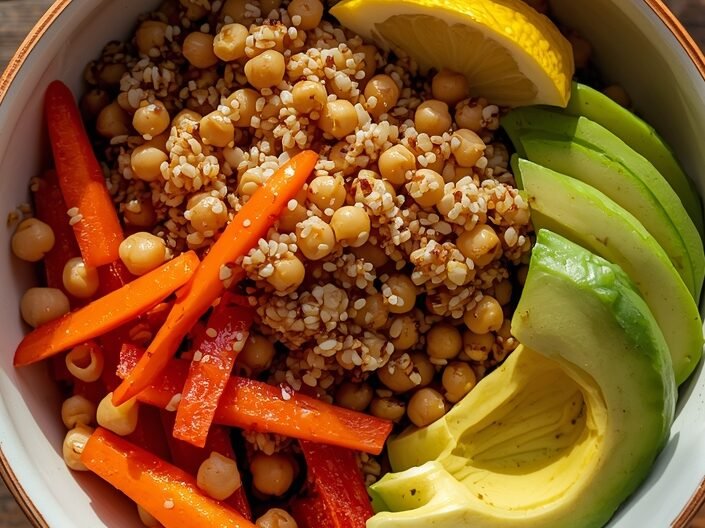
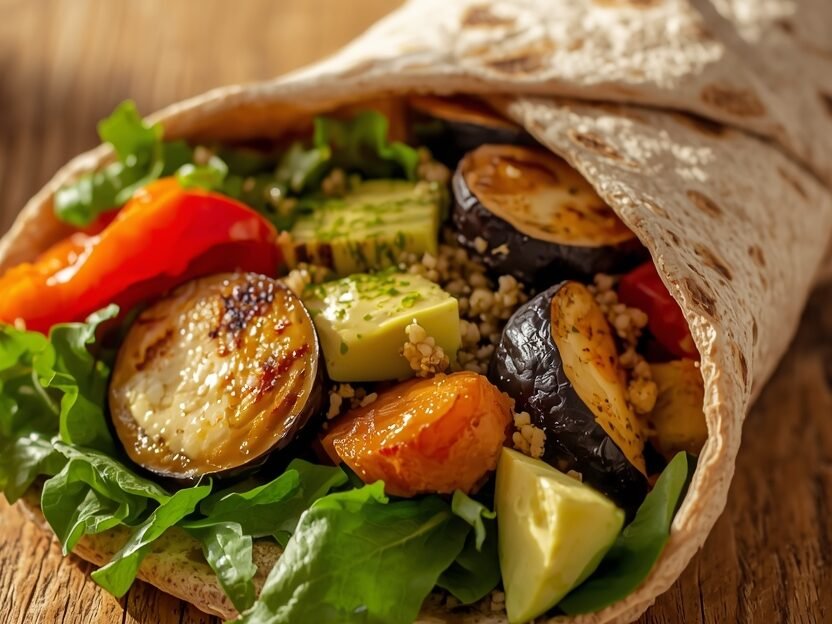
Here’s one of the easiest remix paths: start with a grain or base + veggies and transform it into multiple meals.
- Example flow: Cooked quinoa (or rice, farro, bulgur) + mixed vegetables →
• Mediterranean bowl (add olives, feta, cucumber, olive oil, lemon)
• Burrito wrap (warm tortilla, beans, salsa)
• Stir-fried side (pan sauté with soy sauce, garlic, ginger)
Each version gives a different flavor, texture, and cuisine feel while leveraging the same base. - Great for Pinterest visual boards
Because these meals are colorful and modular, you can capture “pinworthy” images (e.g. bright bowls, wrap assemblies) to drive Pinterest traffic. Use overlay text like “3 Ways to Use Quinoa Base” to catch attention.
H4 (Optional): Sample Quinoa Remix Variations
- Quinoa + roasted Mediterranean veggies + tzatziki → Greek bowl
- Quinoa + black beans, corn, avocado → burrito bowl or wrap
- Quinoa + sautéed greens, garlic, chili flakes → spicy side dish
One Protein, Four Ways
Focus on one cookable protein and reuse it across meals in different contexts:
- Example: Roast, grill, or poach a batch of chicken. Then remix into:
• Tacos (shredded with salsa, avocado)
• Fried rice (chicken + rice + vegetables + sauce)
• Soup (shredded chicken in broth + vegetables)
• Pizza topping (use chunks over flatbread + sauce + cheese) - Use the semantic keyword “protein base recipes”
Emphasize that this strategy applies to many protein base recipes: beef, tofu, lentils, fish, etc. It’s not restricted to chicken.
H4 (Optional): Protein Remix Variants for Other Proteins
- Tofu: cubed tofu → stir-fry, tacos, salad topper, curry
- Salmon: grilled fillet → salad topping, pasta mix-in, “salmon cakes,” grain bowls
Family-Friendly Remixes
Remixing is especially helpful when family members (kids, picky eaters) have different tastes.
- Turn spicy dishes into kid-friendly meals
If your remix goes bold (spicy chili, curry), reserve part of the base without intense spices. Add milder flavors or cheese afterward for kids. - Add cheese, pasta, or sweet flavors
For example: stir in pasta + tomato sauce + cheese to a base stew to make it comforting. Or a dash of honey or roasted carrots can mellow heat. - Use examples and sensory language to show how “remixing for kids” keeps meals fun while being manageable.
H4 (Optional): Sample Kid‑Friendly Remix Strategies
- Mild chicken & vegetable stew → pasta + cheese
- Veggie chili → loaded nachos with cheese (kids love “build your plate”)
- Lentil soup → mild lentil pasta “mac and lentil” mash
Vegetarian & Vegan Remix Ideas
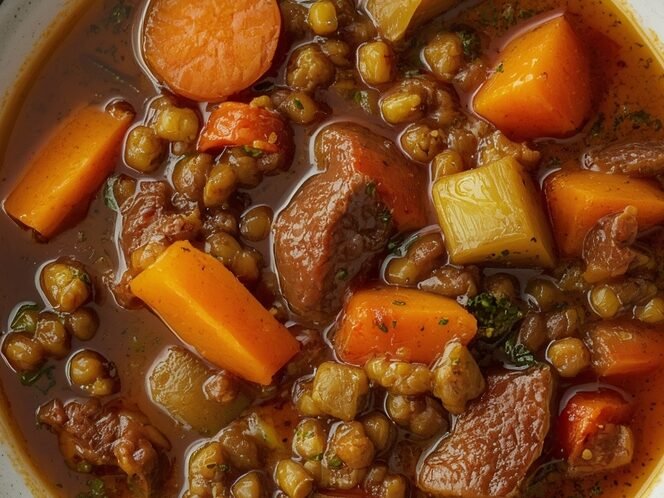
Plant-based remixing is especially potent, since many vegetarian base recipes are flexible.
- Highlight plant-based bases: lentils, beans, tofu, chickpeas, tempeh
- From those, you can branch out:
• Lentils → dal, lentil tacos, lentil salad
• Chickpeas → hummus bowl, chana masala, crispy chickpea wraps
• Tofu → stir-fry, scramble, baked cubes, noodle bowls - Use the LSI phrase “vegan recipe variations”
E.g. “One base chickpea curry can yield multiple vegan recipe variations — from wraps to bowls to stews — by varying the sauce, herbs, or accompaniments.”
H4 (Optional): Sample Vegan Remix Flows
- Base: chickpea stew →
a) Moroccan bowl (add harissa, raisins, couscous)
b) Wrap (add flatbread + veggies)
c) Chickpea salad (cool + lemon + herbs)
d) Soup (add broth, blend partially) - Tofu base:
a) Sauté with teriyaki glaze
b) Scramble with veggies for breakfast
c) Grill cubes for salad topping
d) Blend into a creamy sauce/dip
🔶Pro Tips for Smarter Recipe Remixing (Without Overwhelm)
Create a Recipe Remix Template
Design your own remix “matrix” or template (downloadable or printable) that helps you plan quickly:
- Columns / axes might include: Base ingredient, Meal type, Flavor direction, Add-ons
- Example row:
Base: roasted chicken | Meal type: taco / bowl / pasta | Flavor: Mediterranean / BBQ / Asian | Add-ons: beans, greens, sauces
Offer this template as a bonus download or printable asset — that encourages longer engagement and sharing.
Also mention this is shareable on Pinterest / Facebook (people love organizing tools).
H4 (Optional): Using the Template in Practice
- Fill the template early in the week
- Swap one component to create a new dish
- Track which combinations you liked
Use Visual Boards to Plan (Great for Pinterest!)
Visual planning helps you see remix possibilities at a glance.
- Use tools like Canva, Pinterest boards, or meal planning apps
- Create a collage board per base recipe: images of possible remix versions
- Organize by color, texture, cuisine type — this helps you picture how the remix will look
Encourage readers:
“Take a photo of your base dish, then pin possible variants into a board. When you revisit, the board helps you pick your remix path.”
H4 (Optional): Steps to Build a Remix Pinterest Board
- Start a board titled “Recipe Remix Ideas”
- Upload your base dish photo
- Add pins of remix variants (e.g. wrap version, salad version, bowl version)
- Use keywords in board name/description (“recipe remix ideas,” “base recipe variations”)
Smart Shopping for Multi-Use Ingredients
Plan your grocery list around ingredients you’ll use across several remix versions:
- Choose ingredients that overlap (e.g. onions, garlic, bell peppers, beans, grains)
- Avoid buying very niche ingredients unless absolutely needed
- Link internally: “Check out our post ‘20 Pantry Staples for Easy Weeknight Meals’” to support and drive traffic
- Use this to minimize waste, cost, and complexity
H4 (Optional): Sample Multi-Use Ingredient List
- Staples: onion, garlic, canned tomatoes, olive oil, beans, grains
- Flexible proteins: chicken, tofu, lentils
- Spices / herbs that cross cuisines: cumin, paprika, basil, chili flakes
Reduce Waste & Stay Inspired
Remix with sustainability and longevity in mind — this keeps the system fresh.
- Track what you cooked
Use a simple journal or note: base recipe, remix path, what worked, what didn’t - Rotate base recipes weekly
Avoid burnout by cycling your base recipes (e.g. chicken week, lentil week, fish week) - Invite reader engagement
At the end, ask: “What’s your favorite remix? Share it in the comments below or tag us @RECPINECH!”
This encourages community, ideas, and return visits
H4 (Optional): Example Tracking Table
| Week | Base Recipe | Remix 1 | Remix 2 | Notes / Feedback |
|---|---|---|---|---|
| 1 | Roast chicken | Tacos | Soup | Tacos were a hit |
| 2 | Lentil stew | Wraps | Curry | Curry was too spicy for kids |
Remixing recipes isn’t just a kitchen hack — it’s a lifestyle shift. With just one base recipe, you can unlock an entire week’s worth of exciting, creative meals that save you time, money, and stress. Whether you’re a beginner cook or a seasoned meal planner, learning to remix gives you freedom in the kitchen and helps reduce food waste while keeping meals fresh and flavorful. From grain bowls to wraps, from family-friendly meals to vegan variations, the possibilities are endless once you master the remix mindset.
✅ Call to Action
Now it’s your turn!
Ready to start remixing? Try one of the ideas from this post and tag your creation with #RECIPENCHRemix on Pinterest or Instagram — we’d love to feature your dish! 🍽️
Or, drop a comment below and tell us:
📝 What’s your favorite base recipe — and how do you remix it into something new?
👉 Don’t forget to save this post to your Pinterest board or share it with your foodie friends on Facebook — because everyone deserves easy, delicious, no-stress meals.