
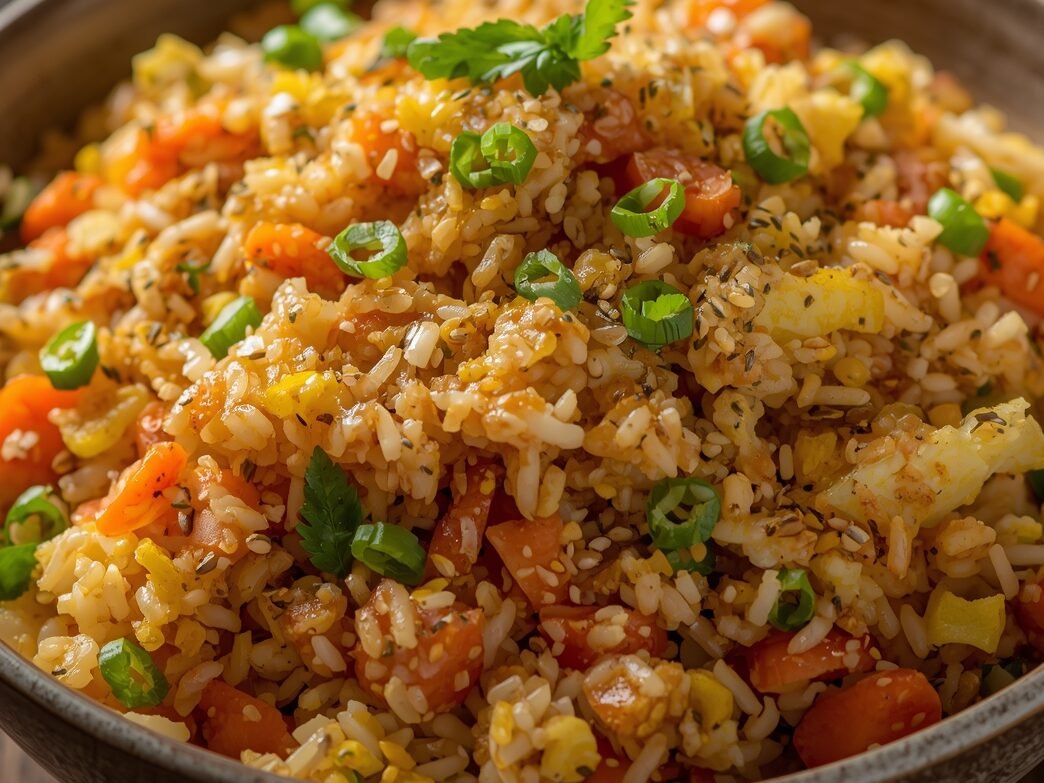
Introduction
What is the secret to a good fried rice? It’s a question many home cooks ask after trying to recreate their favorite takeout or restaurant-style fried rice — only to end up with something soggy, bland, or sticky. The truth is, making amazing fried rice at home doesn’t require a professional kitchen or expensive ingredients. It all comes down to a few key cooking tips that really work — and once you know them, your fried rice will go from average to unforgettable.
In this blog post, we’ll break down the secrets behind great fried rice: from choosing the right rice, cooking with high heat, prepping ingredients, seasoning like a chef, and finishing with flavor boosters. Whether you’re making egg fried rice, chicken fried rice, or a vegetarian version, these pro tips will help you cook it perfectly every time. These insights are easy to follow, beginner-friendly, and great for weeknight meals.
Let’s dive into the real secrets of delicious fried rice — with techniques that are proven, simple, and 100% doable at home. 👨🍳👩🍳
Choose the Right Rice for Fried Rice Success
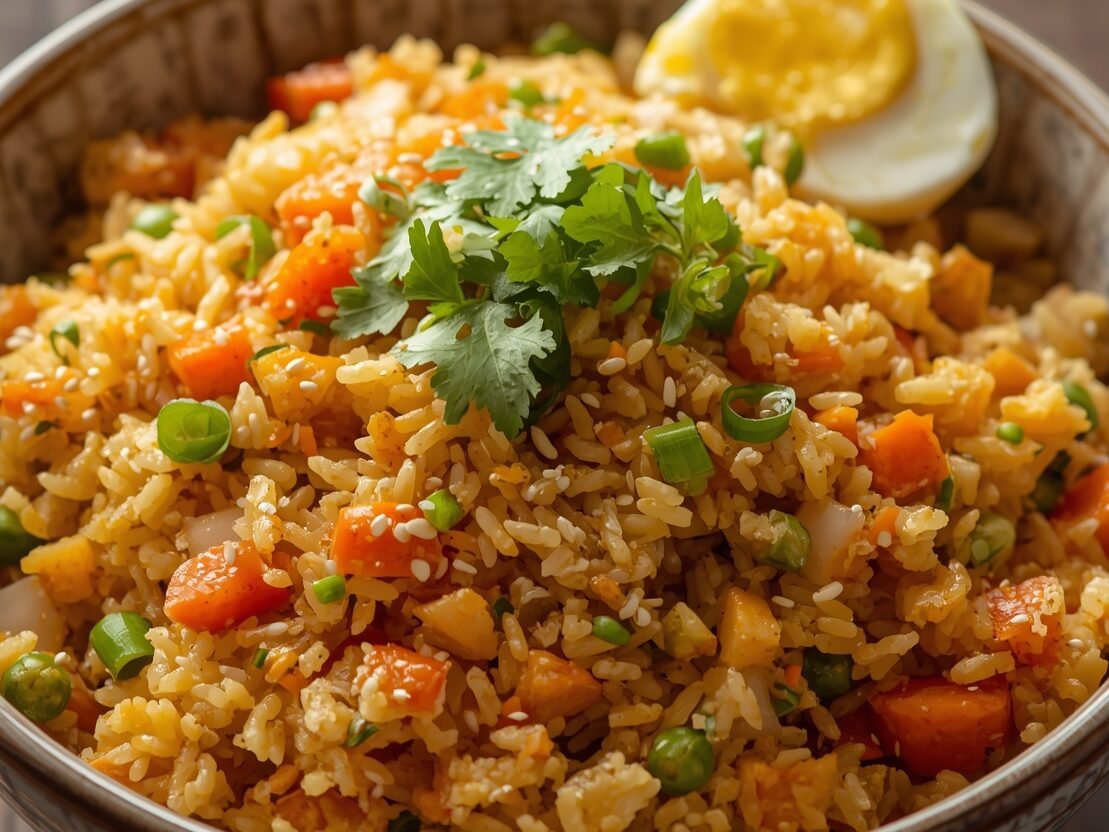
🔸 Use day-old, cold rice for the best texture — avoid mushiness
Freshly cooked rice is still hot, soft, and full of moisture — which makes it clump together and become sticky when stir-fried. That’s why cold, day-old rice is the golden rule in every good fried rice recipe. It’s firmer and drier, which helps each grain stay separate when tossed in the pan. If you don’t have leftover rice, spread fresh rice on a tray and chill it in the fridge for at least 1 hour.
🔸 Jasmine rice or long grain works best for separation
Not all rice types are created equal. Jasmine rice, with its slightly dry and fluffy texture, is one of the best options. Long grain white rice also works well because it doesn’t get sticky like short grain or sushi rice. Avoid risotto or sticky rice varieties — they hold too much starch.
🔸 Let fresh rice cool down completely if you’re cooking same-day
If you must use freshly cooked rice, make sure to cool it fully before frying. Spread it out on a baking sheet to release the steam and let it dry out a bit. This will prevent clumping and give you that signature “separated grain” texture you want in fried rice.
Master the Heat — High Temperature = Great Texture
🔸 Always cook fried rice on high heat for that “wok hei” flavor
The term “wok hei” (translated as “breath of the wok”) comes from Cantonese cooking and refers to the smoky, slightly charred flavor that comes from stir-frying at very high heat. To get this at home, preheat your pan or wok for 2–3 minutes before adding any ingredients. High heat also prevents the rice from steaming and becoming soggy.
🔸 Use a wok or wide pan to spread the rice evenly
A wok is ideal because it has a rounded shape that distributes heat evenly. But if you don’t have one, use a large, wide-bottomed non-stick or stainless-steel pan. The key is to give your rice and ingredients enough surface area to fry, not steam. Small pans = soggy rice.
🔸 Don’t overcrowd the pan — cook in small batches
If you’re making a large amount, divide it into two or three batches. Overcrowding causes the rice to steam instead of fry, which ruins the texture. Frying in smaller portions ensures everything gets a nice, even char.
Prep Ingredients Before You Start Cooking
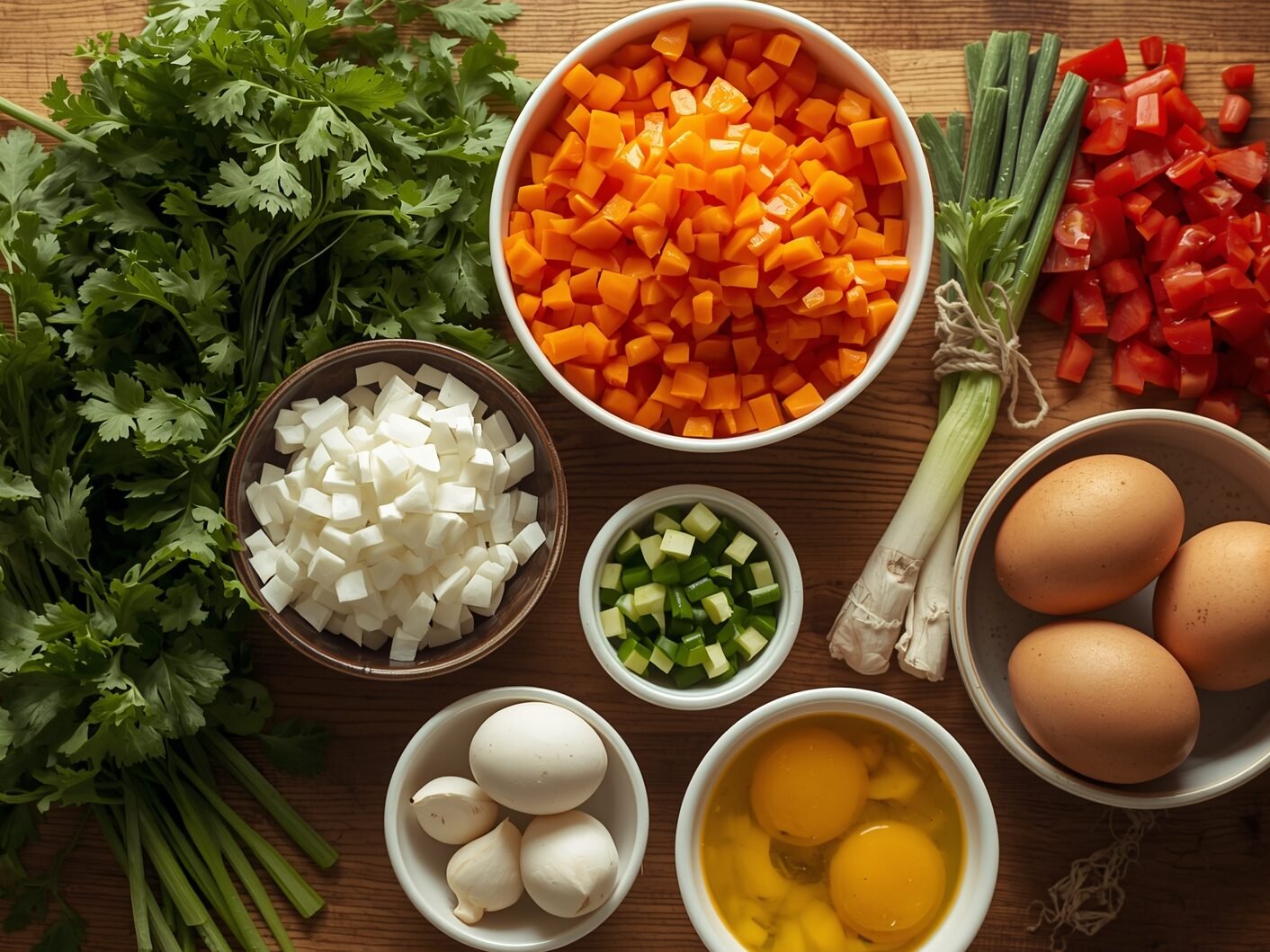
🔸 Chop all vegetables, garlic, and proteins before turning on the stove
Fried rice cooks quickly — once you start, there’s no time to chop. This is called mise en place, a French term that means “everything in its place.” Dice your vegetables (like carrots, bell peppers, onions), mince your garlic, and slice any protein ahead of time so you can add them quickly without burning the rice.
🔸 Have your soy sauce, oil, and eggs ready
It’s important to have your seasonings and sauces within reach so you can add them at the right moment. Pre-crack and beat your eggs in a bowl. Prepare your soy sauce and oils in small containers for easy access during cooking.
🔸 This avoids burning and makes cooking fast and smooth
Fried rice is all about timing. If you’re not ready, you might overcook the eggs or burn the garlic. Preparing in advance helps you move fast and keep the flavors balanced, without any stress.
Season Smart — Balance Flavors Like a Chef

🔸 Use a mix of soy sauce, oyster sauce, and sesame oil for depth
Each sauce plays a role:
- Soy sauce adds saltiness and umami
- Oyster sauce brings a mild sweetness and deep richness
- Sesame oil adds nuttiness and aroma (use sparingly — just a few drops at the end)
This trio makes your fried rice taste layered and flavorful, just like at a Chinese restaurant.
🔸 Add a little white pepper or garlic powder for extra kick
White pepper gives fried rice that subtle heat found in traditional Asian cooking. Garlic powder is great when you want flavor without the risk of burning fresh garlic. A pinch of either goes a long way.
🔸 Don’t oversalt — let the soy sauce do the heavy lifting
Adding too much salt can ruin the dish. Soy sauce already has plenty of sodium, so taste before adding extra salt. Start light and adjust as needed.
🔸 Taste at the end and adjust gently
Before serving, taste a spoonful and see if it needs more soy sauce, a dash of vinegar, or a bit of heat (like sriracha or chili oil). Small adjustments at the end make a big difference in flavor balance.
Final Touches That Make a Big Difference
🔸 Stir in beaten egg just before finishing, or cook it first and add it back in
There are two ways to do it:
- Scramble the egg first, remove it, then add it back at the end.
- Push the rice aside, scramble the egg in the same pan, and mix it in.
Either way works. Eggs add texture, richness, and protein — and they’re a signature in almost every type of fried rice.
🔸 Add green onions or sesame seeds at the end for freshness
A sprinkle of chopped scallions (green onions) adds color and brightness. Toasted sesame seeds bring nutty aroma and crunch. These final touches make your fried rice look and taste more professional.
🔸 Optional: A splash of lime or chili oil for a flavor twist
Want to get creative? Add a dash of chili oil for heat or a squeeze of lime juice for a zesty twist. These extras give your fried rice a signature flair — perfect for impressing guests or adding variety to your meal plan.
🔸 Serve hot — fried rice tastes best fresh out of the pan
The fresher, the better. Fried rice loses its texture and flavor as it cools, so serve it immediately for the best taste and presentation.